If you’ve ever asked how did the premier league start, here’s the short answer. In 1992, the top clubs broke away from the Football League to sell their own television rights and keep the money.
This guide sits inside our history of football series, which follows the game’s biggest turning points.
| Milestone | Value |
|---|---|
| Founder Members Agreement signed | 17 July 1991 |
| First Division clubs resign from the Football League | 20 February 1992 |
| Premier League established as a limited company | 27 May 1992 |
| First matches of the inaugural campaign | 15 August 1992 |
| Founding members | 22 clubs |
| Size of the league after the 1994/95 season | 20 clubs |
The dates and club numbers come from the Premier League’s official history. Figures and club counts can change, so check the source before you rely on them.
Why English football wanted a new top division
Wikipedia’s account of the league’s origins lists ageing stadiums with poor facilities, rife hooliganism and a five-year ban on English clubs in European competition after the 1985 Heysel Stadium disaster. Its history page says Liverpool faced an extra year on top of that.
The Football League First Division, the top level of English football since 1888, trailed Italy’s Serie A and Spain’s La Liga in attendance and revenues. Several top English players had also moved abroad, according to the same Wikipedia entry.
The mood began to shift as the decade turned. England reached the semi-finals of the 1990 FIFA World Cup, and UEFA lifted the ban in 1990, which led to Manchester United winning the Cup Winners’ Cup in 1991, as Wikipedia notes. Our european cup history traces how English clubs fared once they were back in Europe.
Who started the breakaway talks?
The first major step came in October 1990, when London Weekend Television’s managing director Greg Dyke met representatives of five of the biggest clubs, as described in Wikipedia’s article on the league’s foundation. The five were:
- David Dein of Arsenal
- Philip Carter of Everton
- Noel White of Liverpool
- Martin Edwards of Manchester United
- Irving Scholar of Tottenham Hotspur
Dyke believed ITV would profit if only the larger clubs appeared on national television, and he wanted to know whether those clubs would like a bigger share of television money. At the time, ITV held the exclusive rights to live Football League matches after paying £44 million for the period between 1988 and 1992, per the same article.
The key difference was how the money would be split. In the breakaway league it would be shared only among clubs in that division, whereas the old arrangement spread it across every Football League club in all divisions, as the foundation article explains.
The timeline from July 1991 to May 1992
The league came together in stages. These are the steps recorded by the league and by Wikipedia:
- 17 July 1991: the First Division clubs signed the Founder Members Agreement, setting the basic principles for the new league (official history).
- December 1991: Sir John Quinton was appointed chairman, working alongside chief executive Rick Parry (Wikipedia).
- 20 February 1992: the 22 First Division clubs resigned from the Football League en masse (official history).
- 27 May 1992: the Premier League was established as a limited company (official history).
The new league was given commercial independence from the Football League and The FA. That left it free to organise its own broadcast and sponsorship agreement, according to the Premier League’s history page.
How did Sky’s deal shape the early league?
Satellite broadcasting was in flux. In November 1990, Rupert Murdoch’s Sky Television merged with its rival BSB to form BSkyB, a company that needed strong content, as the foundation article recounts.
Parry first leaned towards ITV but wanted the network to pay more than £30 million for live football. BSkyB’s Sam Chisholm identified the new league as a target, aware that smaller clubs did not favour ITV’s coverage, according to the same source.
In the end the pay-TV company won the first deal, which the league’s own history describes as a radical move at the time. You can read that account on the official history page.
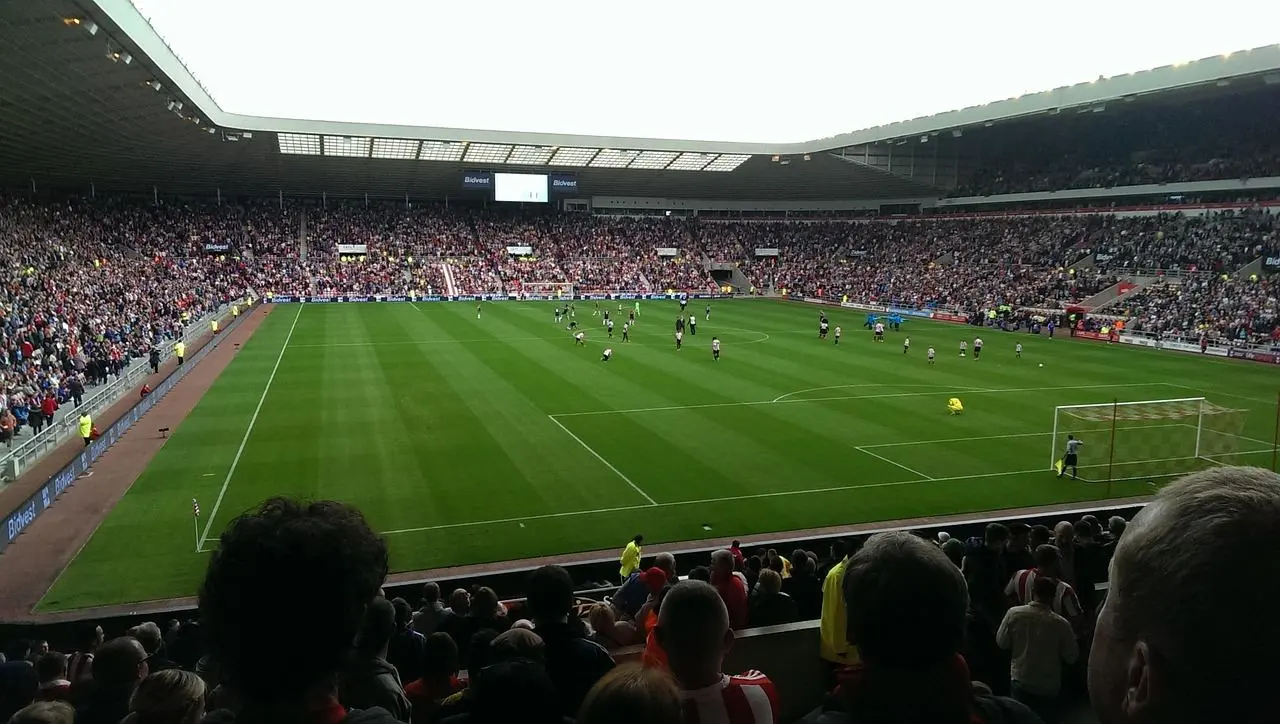
When the first round of fixtures was played on 15 August 1992, FourFourTwo says it signalled the end of 104 years of the Football League’s supremacy. Its retrospective on the first season recalls the glossy, Sky-led presentation that went with it.
The 22 founding clubs and the first season
The inaugural campaign began on Saturday 15 August 1992, with 22 clubs, according to the official history. The founding members were:
- Arsenal
- Aston Villa
- Blackburn Rovers
- Chelsea
- Coventry City
- Crystal Palace
- Everton
- Ipswich Town
- Leeds United
- Liverpool
- Manchester City
- Manchester United
- Middlesbrough
- Norwich City
- Nottingham Forest
- Oldham Athletic
- Queens Park Rangers
- Sheffield United
- Sheffield Wednesday
- Southampton
- Tottenham Hotspur
- Wimbledon
Of that group, six clubs have been ever-present in the league: Arsenal, Chelsea, Everton, Liverpool, Manchester United and Tottenham Hotspur, as the same history page states.
What changed after the first season?
There was always an intention to trim the league to 20 clubs. The league’s history says this was achieved at the end of the 1994/95 season, when four clubs were relegated and just two promoted, as the official page records.
The competition has grown far beyond its opening shape. Wikipedia’s Premier League entry counts 51 clubs that have competed since 1992.
If you enjoy comparing eras, the world cup winners list offers a useful international counterpart to this domestic story.
Frequently asked questions
When did the Premier League officially begin?
Show answer
It happened in stages. Clubs signed their founding agreement in 1991, left the Football League in early 1992 and played their first fixtures that summer, as the league’s own history sets out.
Why did the top clubs leave the Football League?
Show answer
Money was the driver. Wikipedia says the new body was created “to prevent the top clubs from losing income to the lower leagues” and to strengthen their bargaining position before the next television contract, in its foundation article.
How are decisions made in the league?
Show answer
Members decide matters together, with each club casting one vote, according to the foundation article. A clear majority required two-thirds.
Which club has won the most Premier League titles?
Show answer
Manchester United lead with 13 titles, and seven clubs in total have been champions, according to Wikipedia’s league page.